

What to Consider Before Installing Garage Cabinets
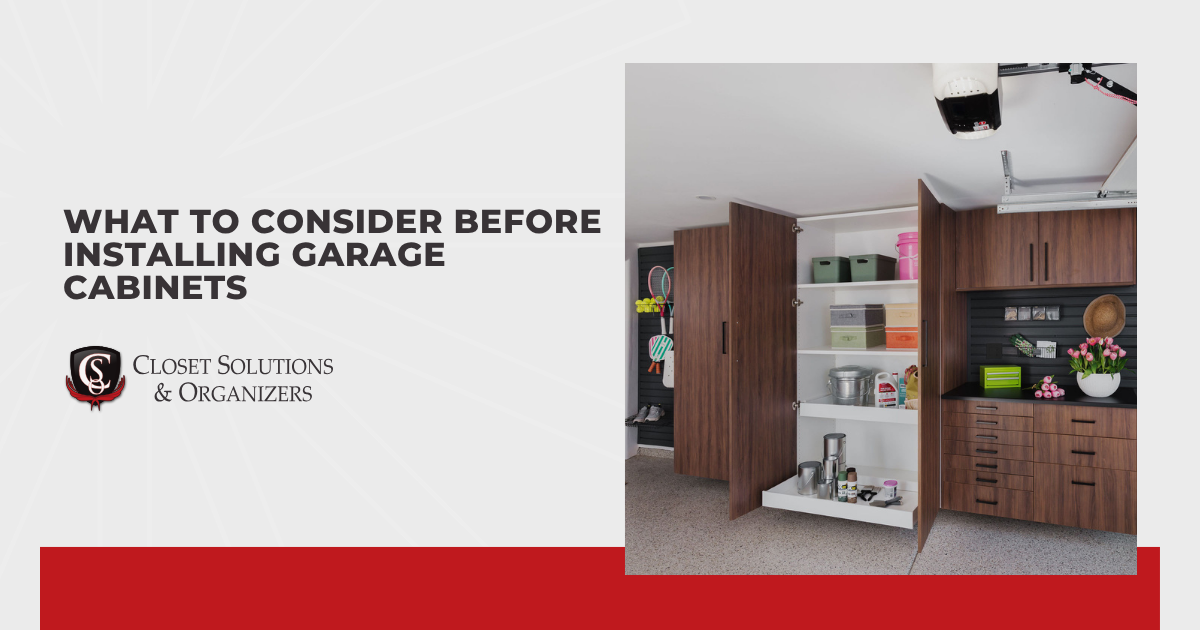
A garage often becomes the most overworked space in the home. Tools pile up, seasonal bins stack higher every year, and sports gear seems to multiply overnight. For many homeowners in Alberta, long winters and shifting seasons only add to the storage demands. Adding garage cabinets can bring order back to the space and make it far more functional, and I’ve seen how dramatically the right system can change the way a garage is used.
Choosing the right garage cabinets, however, requires more than picking a style and size. Alberta’s temperature swings, moisture levels, and everyday wear can affect how well your cabinets perform over time. Proper planning ensures your storage system is durable, safe, and built around your actual needs.
Before installing garage cabinets, there are several important factors worth carefully considering to ensure the system performs well in Alberta’s demanding conditions and truly meets your storage needs:
- Garage storage needs
- Climate and overall garage conditions
- Cabinet material and construction quality
- Available space and garage layout
- Weight capacity and safety requirements
- Future storage flexibility
- Installation method
- Budget and long-term value
Now, let’s take a closer look at each of these factors so you can make a confident, informed decision before installing garage cabinets in your home.
Garage Storage Needs
Every successful garage cabinet installation starts with a clear understanding of what you actually need to store. Tools, lawn equipment, sports gear, seasonal décor, automotive supplies, and household overflow all require different types of storage. Without a proper assessment, cabinets can quickly become overcrowded or underutilized. Taking inventory before installation prevents wasted space and frustration later.
Frequency of use is just as important as the type of items being stored. Everyday tools should be easily accessible, while seasonal bins can be placed higher or deeper within the system. Heavy equipment may require reinforced shelving or lower cabinet placement for safety. Matching cabinet design to real usage patterns makes the entire system more practical.
It also helps to think about how your garage functions overall. Some homeowners use the space primarily for parking, while others treat it as a workshop or hobby area. Storage needs will look very different depending on that primary use. Garage cabinets should support how the space is actually used, not how it looks in a showroom.
Planning around real storage needs ensures the system works long-term. A thoughtful assessment reduces clutter, improves efficiency, and makes the garage easier to maintain. Before selecting cabinet sizes or layouts, defining your storage priorities lays the groundwork for a solution that truly fits your home
Climate and Overall Garage Conditions
Garages in Alberta face extreme temperature swings throughout the year, and your space is no exception. Winter brings freezing conditions, while summer heat can rise quickly, especially in non-insulated garages. Moisture from snow-covered vehicles, road salt, and condensation can also take a toll on materials. All of these factors make climate a critical consideration before choosing garage cabinets.
Not all cabinet systems are built to handle this kind of environment. Standard indoor cabinetry can warp, swell, or deteriorate when exposed to cold temperatures and humidity changes. Materials used in garages need to resist moisture and maintain structural integrity through seasonal shifts. Choosing garage cabinets specifically designed for these conditions helps prevent premature wear and costly replacements.
Ventilation and insulation also play a role in how well your cabinets will perform. I’ve seen cabinets fail far sooner than expected simply because the garage wasn’t properly insulated or ventilated. Poor airflow can increase moisture buildup, while uninsulated walls can amplify temperature extremes. Taking a close look at your garage’s current condition will help you determine the level of durability you actually need.
Keeping Alberta’s climate in mind before installation protects your investment long term. Durable, climate-appropriate garage cabinets will maintain their appearance and strength year after year. Factoring in real environmental conditions ensures your storage system stays reliable through every season.
Cabinet Material and Construction Quality
Cabinet material and construction quality will directly affect how long your garage cabinets last, and this is where details really start to matter. At first glance, many systems can look similar, especially in a showroom or online. The differences show up quickly once they’re put to real, everyday use. Thinner panels, weak joints, and low-grade hardware tend to break down under weight and constant opening and closing.
You’ll typically see options like steel, melamine, laminate, and various wood composites. Each one has its own strengths, especially in a garage that deals with Alberta’s temperature swings and moisture. Steel cabinets are often chosen for durability and strength, while high-quality composite systems can offer resilience with a clean, finished look. The key is choosing materials built specifically for garage conditions, not cabinets designed for indoor spaces.
Construction details matter just as much as the surface material. Reinforced shelving, solid back panels, and heavy-duty hinges make a noticeable difference once you start loading the cabinets with tools and equipment. I often encourage homeowners to look beyond the exterior finish and ask about weight ratings, mounting systems, and hardware quality. Those behind-the-scenes components are what determine how well your cabinets actually hold up.
Investing in durable materials and solid construction protects your storage system for years to come. Strong garage cabinets won’t just look organized on installation day, they’ll continue functioning reliably under daily wear. Paying attention to build quality upfront helps you avoid sagging shelves, loose doors, and unnecessary replacements later on.
Available Space and Garage Layout
The size and configuration of your garage will heavily influence what type of cabinet system makes sense. Before selecting dimensions or layouts, take a close look at how much usable wall space is actually available. Ceiling height, garage door tracks, windows, and electrical panels can all limit placement options. Overlooking those elements early often leads to costly changes later.
Parking clearance should always stay front of mind. Cabinets that extend too far into the room can make it harder to open vehicle doors or move around comfortably. Wall-mounted systems often help preserve floor space and keep the area feeling open. Many homeowners are surprised at how much smoother the space feels once proper spacing is accounted for.
Vertical space is frequently underused in garages across Alberta. Taller cabinets or upper wall storage can significantly increase capacity without sacrificing square footage. In many projects, extending storage upward instead of outward has completely changed how functional the garage feels. Smart layout decisions make it possible to store more while still keeping the space practical.
Accurate measurements are critical before ordering any garage cabinets. A system should feel integrated into the garage rather than squeezed into it. Careful planning ensures your storage supports how you move, park, and work in the space every day. Proper layout evaluation also reduces installation issues and helps avoid modifications after the cabinets are in place.
Weight Capacity and Safety Requirements
Garage cabinets are often expected to hold more weight than standard indoor storage. Tools, hardware, automotive supplies, paint cans, and power equipment can add up quickly. I’ve seen shelves begin to sag simply because weight limits weren’t considered from the start. Understanding how much load your cabinets need to handle is essential before choosing a system.
Not all shelving is built the same. Some systems are designed for light household overflow, while others are engineered for heavy-duty garage use. Checking weight ratings for both shelves and wall mounts helps prevent structural issues later. Reinforced backing and strong mounting hardware make a noticeable difference once cabinets are fully loaded.
Proper anchoring is just as important as shelf strength. Cabinets must be securely fastened to wall studs or appropriate supports to ensure stability. In a busy household garage, doors are opened frequently and items are removed regularly, which adds movement and stress over time. Secure installation reduces the risk of tipping, shifting, or long-term loosening.
Safety should always be part of the planning process. Heavy items are best stored lower to reduce strain and improve accessibility. Clear labeling and thoughtful organization also minimize the risk of accidents. A well-installed cabinet system protects not just your belongings, but the people using the space every day.
Future Storage Flexibility
Storage needs rarely stay the same for long. Families grow, hobbies change, and seasonal equipment seems to multiply over the years. Planning garage cabinets around only your current needs can limit how useful the system will be later. Flexibility should be part of the decision from the beginning.
Adjustable shelving is one of the simplest ways to allow for change. The ability to reposition shelves or add accessories makes it easier to adapt as storage demands shift. Modular cabinet systems also provide room for expansion if additional storage is needed down the road. A setup that can evolve prevents the need for a full replacement later.
Lifestyle changes can also impact how your garage is used. A new vehicle, home workshop setup, or recreational equipment may require different spacing or configurations. Building in extra adaptability helps avoid major adjustments in the future. Planning for growth keeps the system relevant longer.
Long-term flexibility protects your investment. A cabinet system that adjusts with your needs will continue delivering value year after year. Extra capacity and modular options provide peace of mind as your household evolves. Expandable garage cabinets allow your storage solution to remain practical, even as life changes.
Installation Method
The way your garage cabinets are set up will directly impact how well they perform over time. On paper, many systems look simple to assemble. In reality, garages aren’t always perfectly level, and walls don’t always cooperate. Small alignment issues at the beginning can turn into crooked doors, sagging shelves, or long-term stability problems.
DIY assembly can be tempting, especially if you’re trying to manage costs. For smaller setups, it may absolutely be doable with the right tools and patience. But anchoring cabinets properly into studs, accounting for uneven concrete floors, and keeping everything level takes precision. Even a slight miscalculation can affect how the system holds weight later on.
Professional setup brings a different level of assurance. Experienced installers know how to work around garage door tracks, wall obstructions, and structural limitations that aren’t obvious at first glance. I’ve seen cabinets perform beautifully for years simply because they were mounted correctly from day one. Secure fastening and proper spacing make a real difference once those cabinets are loaded with tools and equipment.
Cabinet setup isn’t just about getting them on the wall. It’s about making sure they’re stable, aligned, and ready to handle daily use without shifting or loosening over time. A properly secured system operates smoothly and stays dependable under weight. The right approach now can save you from headaches and repairs later.
Budget and Long-Term Value
Budget is often one of the biggest deciding factors when choosing garage cabinets. Prices can vary widely depending on materials, construction quality, size, and customization. Lower-cost systems may seem appealing at first, especially for larger garages. The upfront price, however, doesn’t always reflect how well the cabinets will perform over time.
Cheaper materials and lighter construction can lead to sagging shelves, peeling finishes, or hardware that fails under regular use. Replacing or repairing cabinets a few years later often costs more than investing in a durable system from the start. I’ve seen homeowners upgrade twice because the first system simply wasn’t built for real garage conditions. Looking beyond the price tag and focusing on overall quality makes a noticeable difference.
Long-term value also shows up in daily convenience. Cabinets that are designed properly reduce clutter, improve organization, and make the space easier to maintain. Fewer repairs, fewer replacements, and fewer frustrations add up over the years. Practical performance matters just as much as appearance.
A realistic budget balances cost with durability and function. High-quality garage cabinets do not have to be the most expensive option available, but they should be built to handle Alberta’s conditions and everyday use. A well-chosen system delivers reliable performance and remains dependable for years.
Conclusion
Garage cabinets can completely change how your garage functions, but only if the right decisions are made upfront. Storage needs, Alberta’s harsh climate, material durability, layout constraints, weight limits, installation method, and budget all influence how well the system will hold up. Overlooking even one of these factors can lead to sagging shelves, wasted space, or cabinets that simply don’t fit your daily routine. Careful planning ensures your garage cabinets handle real use, real weather, and real weight without constant adjustments. Taking the time to evaluate these details now sets you up for a storage solution that stays organized, reliable, and built to last.

QUICK LINKS
CONTACT INFO
Closet Solutions & Organizers
4332 - 81 Ave Edmonton, AB T6B 2M2, Canada
Phone
SCHEDULE A CONSULTATION
Contact us, and we will come out and discuss your project free of charge.