

How to Design a Shared Custom Closet for Couples
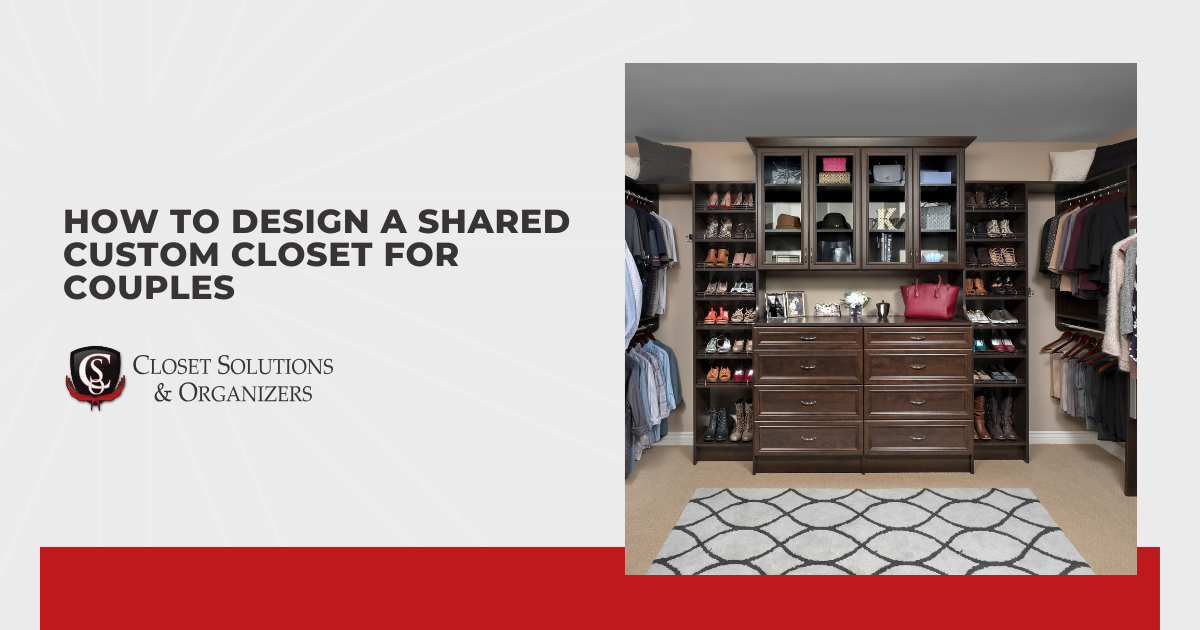
Designing a shared custom closet can completely change how your mornings feel as a couple. When you’re both reaching for clothes in a space that doesn’t quite work, it’s easy for small frustrations to build up. The right layout can turn that daily scramble into a smoother, more peaceful routine.
You might assume you simply need more space when what you really need is a better plan. I’ve seen firsthand that most shared closet challenges come down to thoughtful design rather than square footage. When you create a custom closet that truly supports both of you, the space begins to feel balanced, functional, and far less stressful.
If you’re planning a shared custom closet, focus on these key design tips:
- Start with a joint closet inventory
- Divide space based on lifestyle, not just 50/50
- Incorporate dual hanging zones
- Design personalized storage zones
- Create a shared shoe strategy
- Add proper lighting for both sides
- Include a neutral, cohesive design style
- Build in room for growth
- Incorporate a central shared feature
Keep reading and I’ll show you how to apply each tip in a way that feels balanced, realistic, and easy to maintain.
Start With a Joint Closet Inventory
Before designing a shared custom closet, start with a clear inventory. You can’t plan storage well if you don’t know what you’re storing. Take a quick, honest look at what each of you owns and uses.
I recommend sorting by category first: hanging, folded, shoes, and accessories. You’ll often find that small items like belts, bags, or workout gear need more room than you expected. This step also prevents the closet from becoming a “miscellaneous” zone later.
As you go, separate everyday items from occasional ones. If you wear it weekly, it should live in an easy-to-reach area. If it’s seasonal, it can move higher or deeper without disrupting your routine.
Divide Space Based on Lifestyle, Not Just 50/50
A perfectly even split sounds fair, but it doesn’t always function well. I’ve seen couples try 50/50 and still feel cramped because their wardrobes are built differently. A shared custom closet should reflect real life, not just symmetry.
Think about garment types and daily habits. One person might need more long-hang space for dresses or suits, while the other needs shelving for knits and denim. When you design around what you actually wear, you waste less space.
It also helps to consider how you both move in the morning. If one of you needs quick access to drawers and accessories, that should be built into your side. Small layout choices can reduce traffic jams and make the space feel calmer.
Incorporate Dual Hanging Zones
Vertical space is where most closets fall short. In many homes, there’s a lot of air above the rod that never gets used well. A custom closet can fix that with smart hanging zones.
Double hanging is ideal for shorter items like shirts, blouses, and folded pants. It increases capacity without making the closet feel packed. It also keeps items visible, so you’re not digging through layers.
You’ll still want a dedicated long-hang area for coats, dresses, and suits. The key is being intentional about where long-hang goes since it’s harder to replicate elsewhere. When you balance both types, your closet starts working like a tailored system.
Design Personalized Storage Zones
Even though you’re sharing a closet, you still need zones that feel personal. I’ve found that organization sticks when each person has storage that matches how they think. If your closet forces you into habits you don’t have, it won’t stay tidy.
Drawers are especially useful for keeping small items contained. Dividers can help for socks, jewelry, watches, ties, and sunglasses. When those items have a home, you avoid the clutter that spreads across shelves.
You can also create custom zones for the things you reach for most. That might be a specific shelf for handbags, a cubby for gym gear, or a tray for daily accessories. These details make the closet feel easy, not fussy.
Create a Shared Shoe Strategy
Shoes often become the stress point in a shared closet. They’re bulky, they vary in size, and they pile up fast. If you plan shoes well, you’ll notice the whole closet feels cleaner.
Start by counting how many pairs you both own, including boots and special-occasion shoes. That number should guide your shelf space, not the other way around. When shoe storage is undersized, the floor becomes the backup plan.
It helps to separate everyday shoes from seasonal ones. Keep daily pairs low and easy to grab, then store seasonal shoes higher or in bins. A clear system prevents scuffs, clutter, and that constant “where did my shoes go” moment.
Add Proper Lighting for Both Sides
Lighting is one of the most overlooked parts of closet design. I’ve walked into beautiful closets that still feel frustrating because you can’t see what you’re choosing. If you want your custom closet to feel usable, lighting matters.
I recommend even, consistent lighting across both sides of the closet. LED strips under shelves or along hanging sections can reduce shadows. You’ll be surprised how much better colors and details look when the light is right.
Motion-activated lighting can be a simple upgrade that improves daily routines. It’s especially helpful early in the morning or late at night. Good lighting also makes the closet feel finished, not like an afterthought.
Include a Neutral, Cohesive Design Style
When two people share a space, design choices can get tricky. You might love warm wood tones while your partner prefers crisp white. A cohesive, neutral foundation keeps the peace and feels timeless.
Neutral doesn’t mean boring. It means choosing finishes, hardware, and materials that work with many styles. When the base is calm, you can add personality through organization tools and a few thoughtful details.
I also suggest keeping the overall look consistent from one side to the other. Matching finishes help the closet feel unified, even if each person’s wardrobe is very different. That visual balance can make the whole space feel more relaxing.
Build in Room for Growth
Closets should work for who you are now and who you might be next year. Wardrobes change with seasons, jobs, and life stages. If your closet is built at full capacity on day one, it’s going to feel tight fast.
It’s important to build flexibility into the design where possible. Adjustable shelves and movable rods help you adapt over time. Even small adjustable areas can make a big difference later.
It also helps to leave a little breathing room. A few inches of open hanging space or an extra shelf can prevent overflow. Planning for growth is one of the most practical ways to keep your custom closet functional long-term.
Incorporate a Central Shared Feature
A shared feature can make the closet feel more intentional and easier to use. If you have space, an island or counter can add storage and give you a place to fold. It becomes a natural landing zone that keeps piles from spreading.
If your closet is smaller, a bench can still add comfort and utility. It gives you a spot to put on shoes or set items down. That small convenience can reduce clutter elsewhere.
I like shared features because they encourage a little teamwork. You both benefit from a common surface or storage area. It’s a simple way to make the closet feel like it was designed for two people, not adapted after the fact.
Conclusion
A shared custom closet doesn’t have to be a daily compromise. When you plan around real wardrobes, real routines, and a layout that supports both of you, the space starts to feel surprisingly effortless. I always remind couples that the real goal is creating a system that feels consistent and easy to maintain. With a thoughtful design, you can walk into your closet and feel like it’s finally working with you, not against you.

QUICK LINKS
CONTACT INFO
Closet Solutions & Organizers
4332 - 81 Ave Edmonton, AB T6B 2M2, Canada
Phone
SCHEDULE A CONSULTATION
Contact us, and we will come out and discuss your project free of charge.